| Format: | LP |
| Availability: | Out of stock |
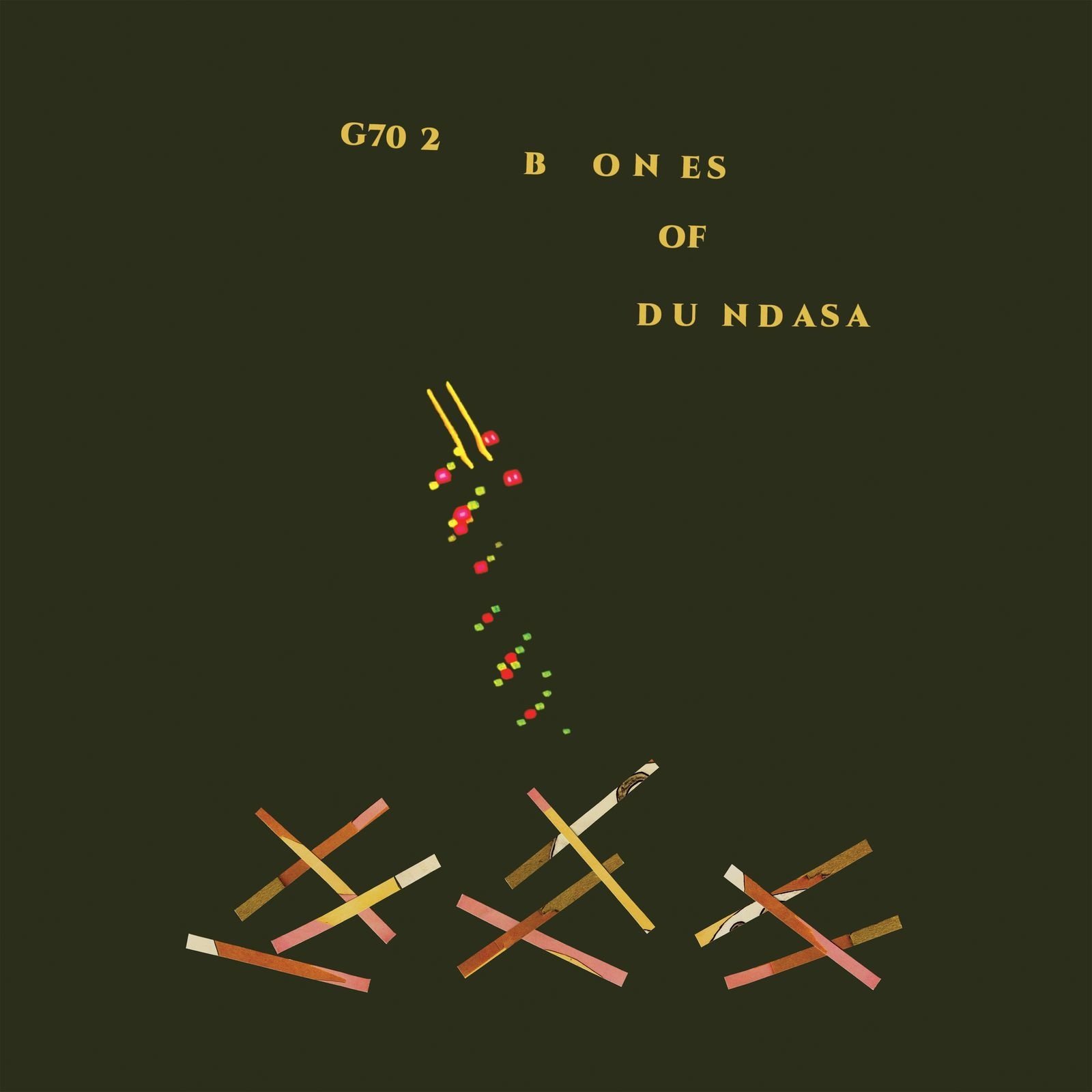
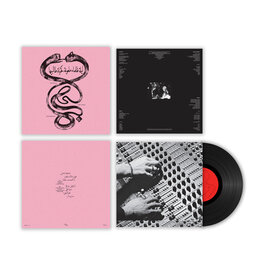
20 years after its self-titled debut, Glissandro 70’s follow-up straddles the Album and Archive. Comprised of a decade’s worth of recordings that were abandoned, lost in a hard drive mishap, recovered in the form of rough stereo mixes, reappraised with the balm of time, and restored/augmented/enhanced, they are finally seeing the light of day. Glissandro 70’s beguiling mechanics are best understood through the dissonance of the duo’s respective approaches as solo artists/bandleaders. Craig Dunsmuir, human music encyclopedia and 20-year veteran of Toronto record store, leads the Dun-Dun Band, a group that mines the ferment of three towering Fs (Fela, Philip, Pharaoh).
While inspired by math-rock, Dunsmuir’s scrumptious G70 riffs don’t aestheticize complexity or pester the listener into noting they’re in 13/8. Rather, rhythm materializes as a mere fact of the riff, sharing more with afrobeat, one of Dunsmuir’s other wells of inspiration. Sandro Perri, the consummate studio dog, might be Toronto’s own Caetano Veloso, crafting loose, sprawling songs of quixotic beauty whose textural virtuosity and joy in repetition refashions pop music into sound sculpture. Together, they’re each other’s perfect foils, and Glissandro 70 is also informed by the intersection of their respective leftfield electronic projects, Kanada 70 and Off World. On G70 2: Bones Of Dundasa, Dunsmuir plays the role of “riff referee”, while Perri assumes the mantle of jester, destabilizing the “obstinate ostinatos” with his signature textural tics, editing, and dubby interjections.
Back in 2016, Dunsmuir emailed Perri, asking to meet for a drink. Perri told him it was a good idea as there was something he needed to tell him. At the bar, Dunsmuir dropped a bomb: those recordings they’d worked on over the past few years, well, he’d gotten cold feet and wanted to shelve them. Perri then dropped a bomb of his own: he’d accidentally deleted those very same recordings during a computer upgrade. Perri eventually discovered rough stereo mixes on another drive. When the lockdowns hit, he began poring through his old recordings, though it wasn’t until 2024 that he re-listened to the mixes.
“The aging process flattered it. And so it was like, maybe it's time to try and do something with this.” Dunsmuir was on board and the two set about readying the material for release.
Opening in familiar territory with an expansive workout of Arthur Russell’s “Lucky Cloud”, Dunsmuir trades the original’s murk for an achingly vulnerable vocal that sits between Rick White and Lou Barlow. Trombonist and Russell collaborator Peter Zummo lends a beautiful, elegiac accompaniment. By the second track, the oceans of sound are dammed in such a manner that the escaping drip-drops land like strummed elastic bands held taut.
As the album’s middle section proceeds, G70’s many departures from their debut come into focus. Where riffs once roamed free, these tracks relish their comparative brevity.
Frequently there aren’t riffs at all, owing to Dunsmuir’s burgeoning interest in the Roland Handsonic drum pad, which he works into a lather of jagged angles funnelled through Perri’s alluring mutations. Darkness occasionally rears its head, notably on the menacing “Aquatint”, where Dunsmuir draws from his interest in early-2010s post-dubstep. Only on the album’s closer do they again glance astern, with Dan Bodan’s remixing of their debut’s most enduring earworm into something of a pulsing froth—a 6am comedown for pendulous dancefloors.

![International Anthem Tortoise - Touch [AOTY25]](https://cdn.webshopapp.com/shops/252051/files/488315436/262x276x2/international-anthem-tortoise-touch-aoty25.jpg "International Anthem Tortoise - Touch [AOTY25]")