| Format: | LP |
| Availability: | PRE-ORDER |
RÓIS aka Rose Connolly’s eclectic ear for melody developed at an early age; growing up in a family of traditional music players, RÓIS’s formative years were shaped not only by playing beloved Irish folk songs passed down through generations (for a period, she was even part of a wedding and funeral band with her sister) but also by an appreciation for more conventional song structures that came from listening to the likes of the Beatles, Nirvana, and Bowie. Her musical taste would expand to include techno and jazz, with a particular fondness for the work of Cory Henry and Robert Glasper. This varied foundation – both as a musician and a music fan – ultimately inspired RÓIS to study music composition in Dublin’s Royal Irish Academy of Music. The next pivotal turning point in Connolly’s education and artistry arrived whilst living in The Hague. There, she learnt how to speak Irish, which would inform the path her music would follow.
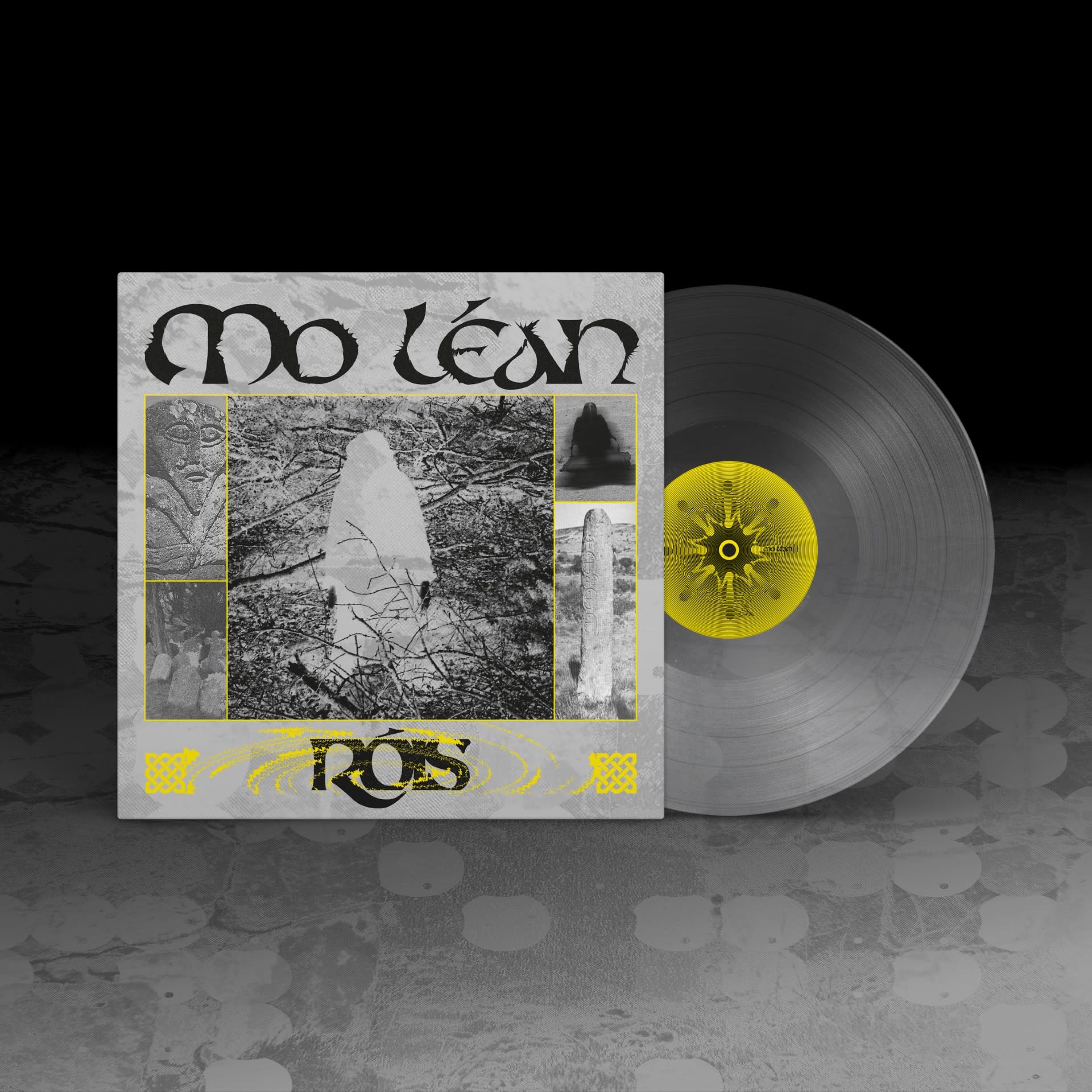
MO LÉAN – RÓIS’ second album - is a remarkable testament to Connolly’s affecting artistry. Anchoring the album is a desire to recontextualise the occasion and celebration of death. Drawing from elements synonymous with the country’s DNA: traditional sean-nós tunes, the Irish language and the omnipresent toll of the Angelus – the church bells that ring three times a day – RÓIS carries them into the modern day with her unique approach to melody and production as well as her electrifying vocal performances. The album explores the Irish pagan tradition of caoineadh, or keening which was an integral part of the mourning process, during which veiled women gathered around the body to sing and howl. Taking place over several days, these wakes became joyously unruly sessions during which music, dance and storytelling emboldened the essence of the deceased as they began a new chapter in their life cycle. However, in the middle of the Twentieth Century, these traditions were suppressed as the Catholic Church decreed a total termination on all public lamentation. Later, the impact of colonisation sealed its fate through the decimation of the Irish language, and wiping out the rural communities that kept the tradition alive. Across MO LÉAN, RÓIS performs a resuscitation of the ardent rituals surrounding death and throws open the doors that tried to hide away such inherent and important ways of Irish life.
Conjuring the ghosts of old Ireland through the sean-nós style is amplified by RÓIS’s immersive live shows, where she performs dressed in black, her face covered by a veil, a symbol of anonymity, grief and a reminder of the keener’s role to mourn a body and guide their soul to their next stage. On the consideration poured into her live shows, RÓIS notes: “I wanted to do something more conceptual. I wanted to set the gig at a funeral. There were accounts that, in Pagan times, the Wake would have been a debaucherous affair. I wanted to bring that to my music and the show because I think we need to unsterilise how we see death and how you have to be mannered.”


![Only Here For You Various - Only Here for you [OHFY001] - Tom Coll from Fontaines' Label](https://cdn.webshopapp.com/shops/252051/files/489878860/262x276x2/only-here-for-you-various-only-here-for-you-ohfy00.jpg "Only Here For You Various - Only Here for you [OHFY001] - Tom Coll from Fontaines' Label")